Donor Storytelling Videos | The Science Behind Why People Give
Understand the neuroscience of donor storytelling videos and how emotion drives donations. Create videos that move people to act.
Introduction
When it comes to fundraising, logic doesn’t lead, it’s emotion that drives people to give. Think about the most memorable nonprofit videos you’ve seen. What made them stick with you? Was it the facts and figures, or the faces, voices, and moments that moved you?
Donor storytelling videos are powerful because they tap into the brain’s emotional response systems. When done right, these videos don’t just inform, they inspire action.
In this post, we’ll explore the science behind donor storytelling and how you can use this knowledge to create videos that truly connect and drive giving.
1. The Neuroscience of Empathy
Donors don’t give because they understand your cause; they give because they feel it.
The brain releases oxytocin, the "feel-good" hormone, when we connect with stories of struggle, hope, and transformation. This chemical boosts empathy and trust, making us more likely to act on what we see.
When your videos share a personal story, like a mother finding refuge at your shelter or a young student earning a scholarship, \you’re not just showing an outcome. You’re inviting viewers to feel the journey with them, activating their brain’s empathy circuits.
2. Structure Your Story to Maximize Emotional Impact
Emotion is what drives donations, but how you structure your story makes a huge difference. The Three Act Structure, common in films, is incredibly effective in fundraising videos.
- Act 1: The Problem
Introduce a real person with a problem. Don’t overwhelm them with statistics, show the human side of the challenge. - Act 2: The Action
Demonstrate your nonprofit’s intervention. Show how your team or volunteers are helping. - Act 3: The Transformation
End with the change your nonprofit made possible, leaving the viewer with a sense of hope and empowerment.
This simple framework guides the viewer through a complete emotional arc, from empathy to hope to action.
3. Why Authenticity is More Important Than Perfection
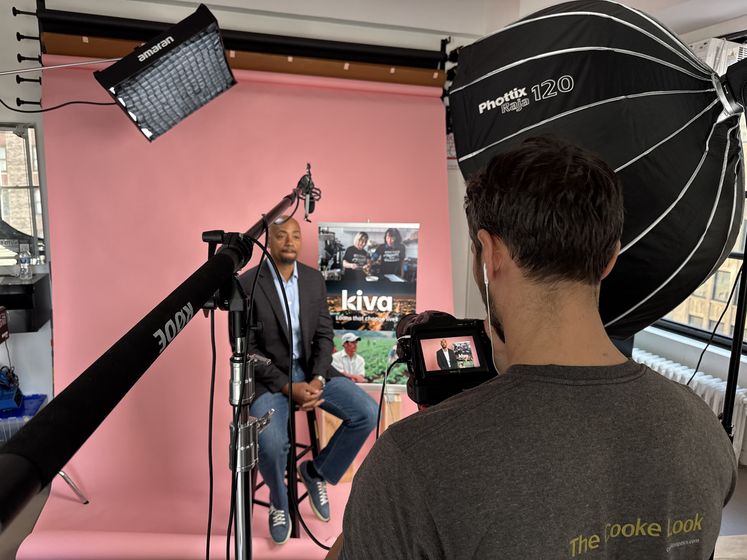
Perfectly scripted, highly polished videos don’t always perform well because they can feel impersonal. When you’re telling stories about real people, authenticity matters more than perfection.
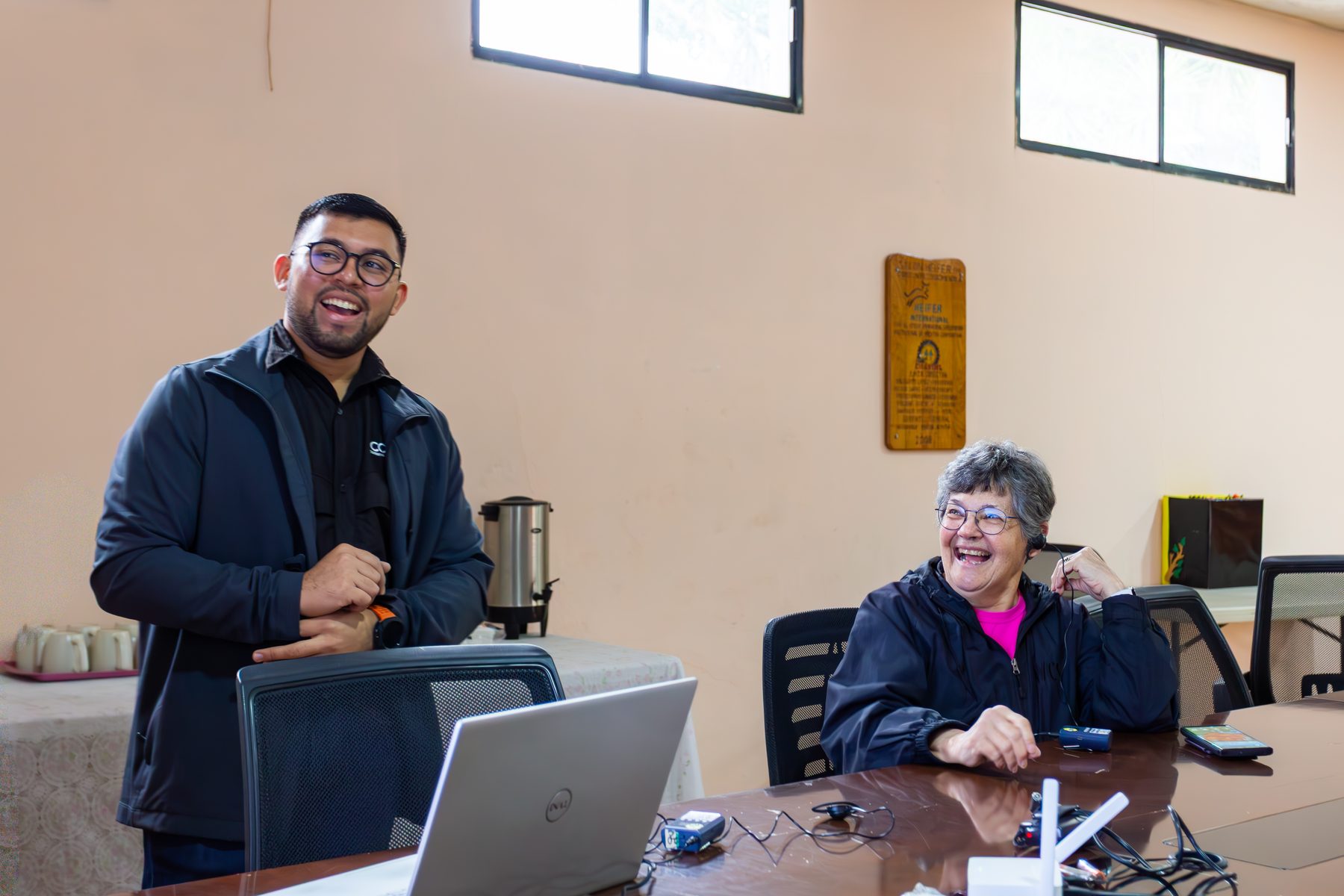
Viewers connect with raw, unscripted moments, especially when they see real faces, hear real voices, and witness real emotion. Authenticity triggers empathy and creates a stronger bond between the donor and the cause.
Let your interviewees speak from the heart. Let moments of vulnerability show. Don’t hide behind flawless editing or corporate language. Be real, and your audience will respond in kind.
4. The Power of Visual Proof
Show, don’t tell.
While the emotional connection of your video is key, adding visual proof of impact reinforces your message. Showing before-and-after scenes, data on screen, or reactions from real beneficiaries makes your story tangible.
Think of it this way: when you see a child’s smile after receiving a meal, you don’t just believe your donation made a difference, you feel it. Visual proof is what turns abstract statistics into a lived experience.
5. Why Shorter Videos Often Have a Bigger Impact
Attention spans are shorter than ever. In fact, studies show that most viewers only watch the first 15–20 seconds of a video before deciding whether to keep watching.
Shorter videos tend to have higher completion rates, which is important for both emotional connection and fundraising.
Keep your donor storytelling videos under two minutes, but make those minutes count. Get to the emotional core early, build momentum, and leave the viewer wanting to know more. A quick, heartfelt story often has a bigger impact than a drawn-out narrative.
6. Turning Emotion into Action
You’ve connected emotionally, now it’s time to convert that emotion into action.
A strong call to action is the bridge between a powerful story and a donation. But it has to be direct, clear, and related to the emotional journey you’ve just taken your viewer on.
- "Help Maria start a new life today, donate now."
- "Join us in providing meals to 100 families, your gift matters."
The key is to make the donor feel like they’re part of the solution, not just an outside observer. The best calls to action speak directly to the viewer’s heart, offering them the opportunity to make a meaningful impact.
Schedule a free consultation with a nonprofit video expert
At Happy Productions, we help nonprofits use video to create volunteer spotlights
Schedule Free Consultation →Conclusion
The science is clear: people give because they feel. The most powerful donor storytelling videos leverage emotion, authenticity, and visual proof to inspire action. By structuring your videos to connect on a human level and adding a clear call to action, you’ll not only move hearts, you’ll move donors to give.
In the end, nonprofit video isn’t just about telling a story, it’s about making viewers feel the story, so they take the next step and join your mission.
Explore More Resources
- Our Nonprofit Video Production Services — See how we help nonprofits tell stories that drive donations and engagement.
- Case Studies — Real results from 26+ nonprofit clients including 36M+ organic reach and 500% engagement increases.
- Fundraising Video Production — Videos designed to inspire donations and boost donor retention.
Not sure where to start?
Book a free strategy call. We'll workshop a video concept for your nonprofit — no charge, no pitch deck.
Book my free callReady to put your story on screen?
Tell us what you're working on. In 15 minutes we'll sketch the video with you — what to film, who to put on camera, and where it should run.