Nonprofit Storytelling Video Tips That Raise More
Practical nonprofit storytelling tips for videos that convert donors
Introduction
Nonprofit storytelling video tips only work when they turn emotion into clear action. This playbook shares practical steps, framing the hero, building tension, and closing with a concrete ask, so your videos stop scrolling and start converting. Use these tips to lift donor response while keeping stories honest, simple, and mission‑driven.
Why Emotional Storytelling Works
- 💙 It builds empathy – People give to people, not to numbers. A single heartfelt story often inspires more donations than pages of statistics.
- 📢 It spreads further – Emotional content is shared more often, helping campaigns reach beyond your existing donor base.
- 🎥 It boosts donations – Donors who watch storytelling videos are significantly more likely to give, and to give again.
- ⏳ It creates lasting memories – Stories stick with viewers far longer than facts alone.
Elements of a Powerful Storytelling Video
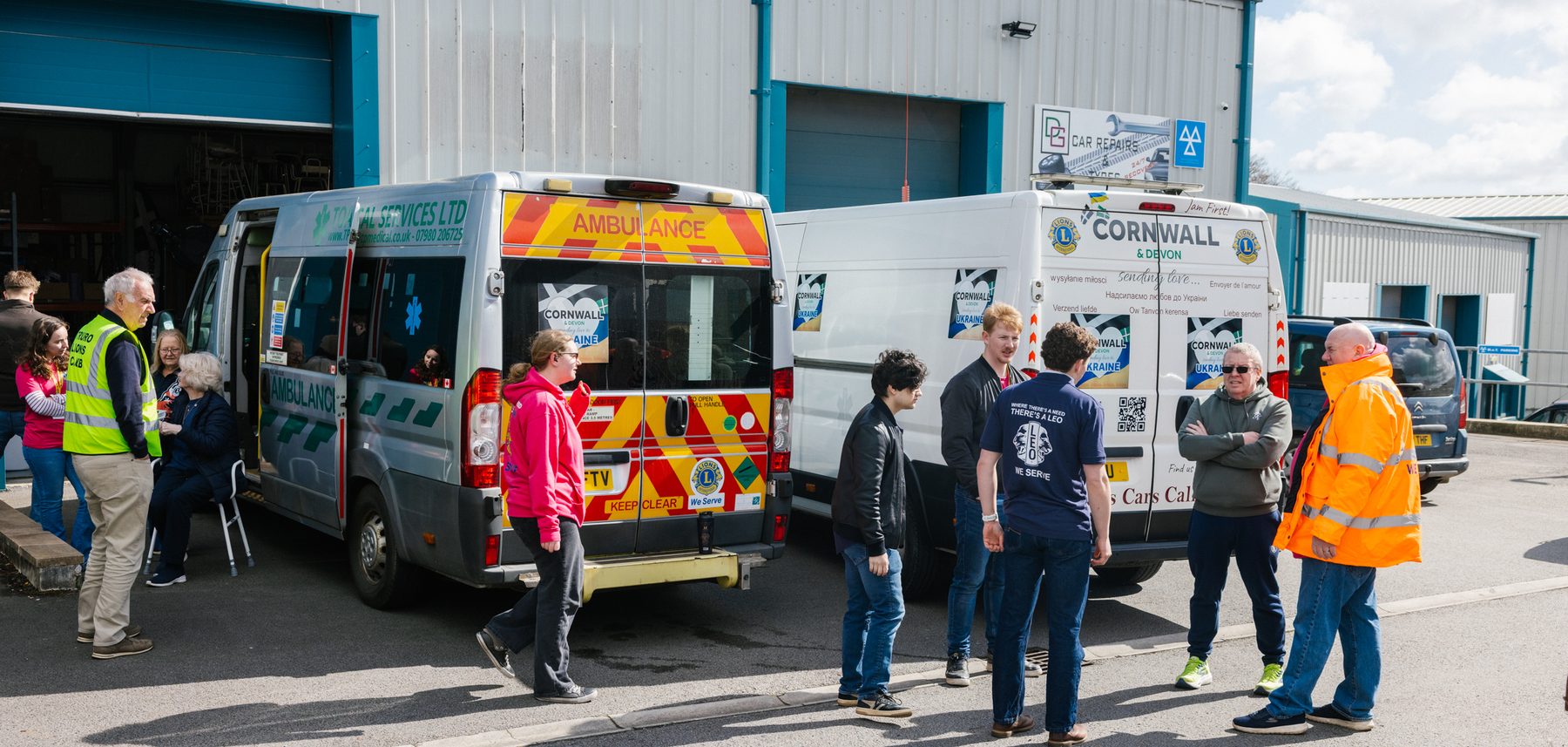
- A Personal Story – Highlight one individual or family whose life has been touched by your work.
- Authentic Emotion – Avoid over-production; focus on honesty and vulnerability.
- Clear Transformation – Show the “before” and “after” of your mission’s impact.
- A Strong Call-to-Action – Guide viewers to give, share, or take part immediately.
Types of Fundraising Storytelling Videos
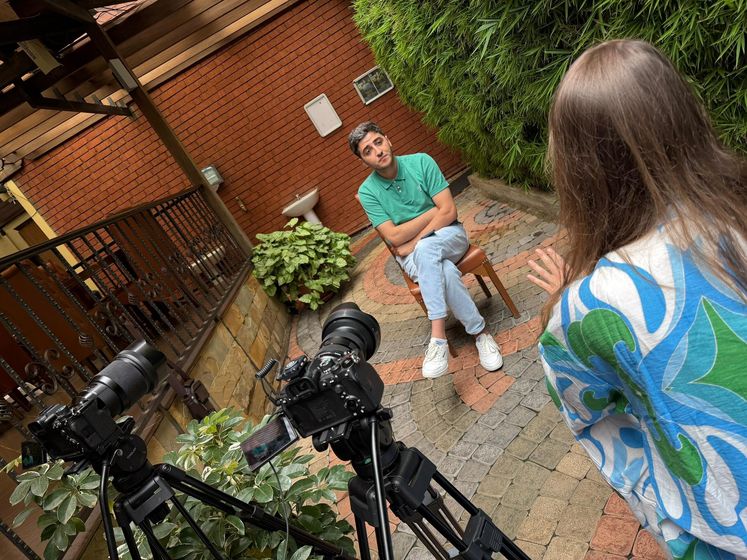
- Donor Appeal Videos – Short and urgent, designed to inspire immediate action.
- Campaign Launch Stories – Introduce the mission behind your campaign and rally support.
- Impact Updates – Mid-campaign videos showing progress and thanking donors.
- Legacy Stories – Highlight the long-term change your nonprofit is creating.
Real-World Examples
📌 Heifer International – An emotional video showcasing women farmers in Honduras led to over 160,000 views in a week and a major increase in donations.
📌 Autism Speaks – Storytelling videos about families using communication devices connected deeply with audiences, strengthening ongoing donor support.
📌 Inheritance of Hope – Personal stories from families facing terminal illness created lasting connections with viewers, inspiring both donations and advocacy.

Our Process for Storytelling Video Production
Step 1 – Discovery
We uncover the stories within your mission that are most likely to resonate.
Step 2 – Story Development
We map out a narrative arc that shows the challenge, the hope, and the transformation.
Step 3 – Production
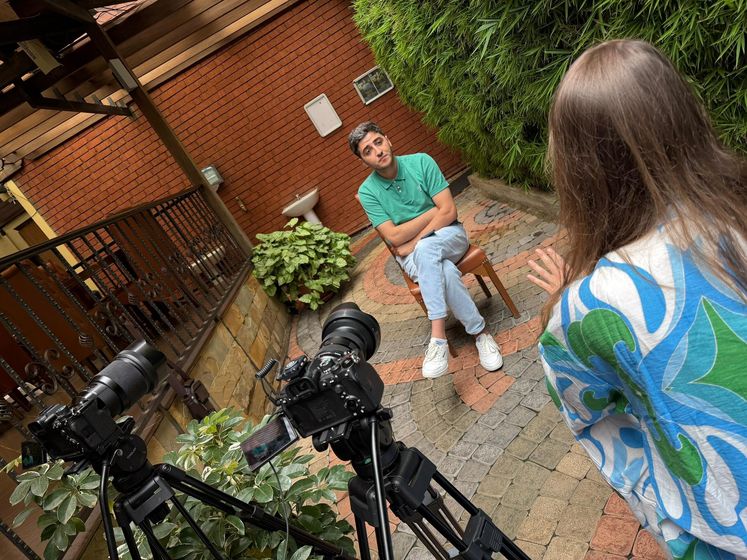
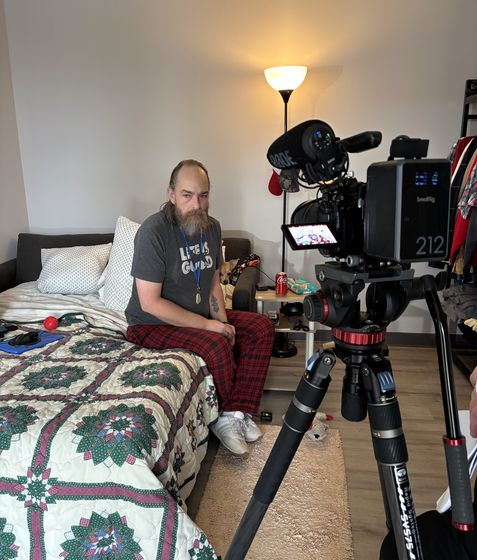
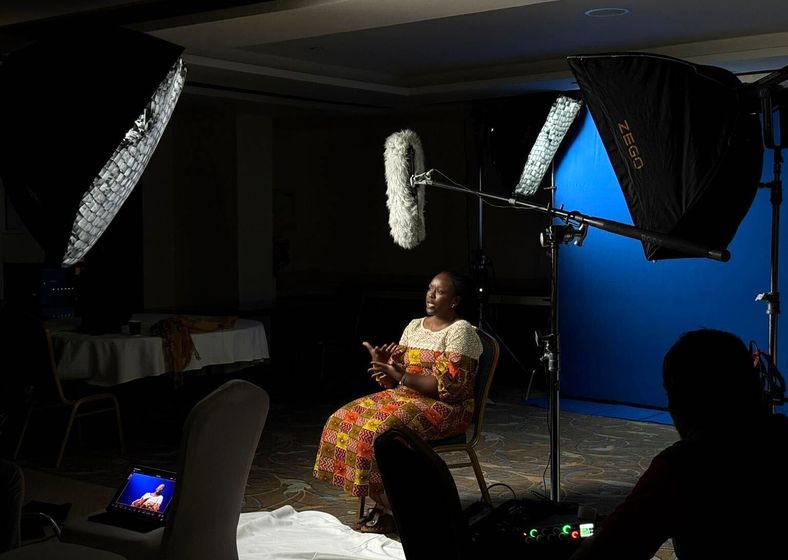
Filmed on-site with your community, ensuring authenticity and emotional connection.
Step 4 – Editing & Optimization
Crafted for maximum impact on social media, websites, and fundraising campaigns.
Step 5 – Distribution Support
We guide you on how to launch your videos for maximum visibility and donor engagement.
Why Fundraisers Trust Happy Productions
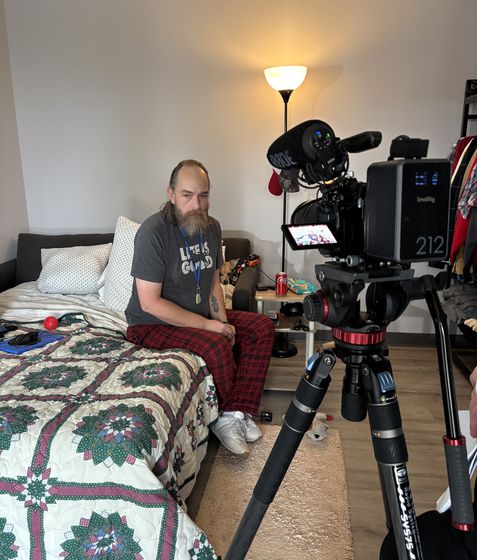
- 🎥 Proven expertise – Our storytelling videos have raised millions for nonprofits worldwide.
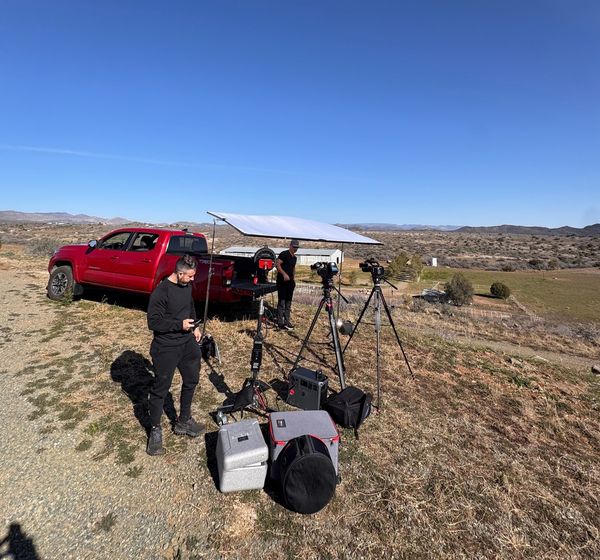
- 🌍 Global reach – We capture stories anywhere your mission happens.
- 📈 Data-driven impact – We pair storytelling with strategy to ensure videos deliver results.
- 💡 Unlimited content options – From one core story to dozens of short edits.
Final Thoughts
Fundraising is about more than raising money, it’s about building lasting connections. Emotional storytelling videos for fundraising give donors a window into your mission and inspire them to join your cause in a meaningful way.
Ready to bring your fundraising story to life? Let’s create a video that inspires action.
Schedule a free consultation with a nonprofit video expert
At Happy Productions, we help nonprofits use video to create volunteer spotlights
Schedule Free Consultation →Explore More Resources
- Our Nonprofit Video Production Services — See how we help nonprofits tell stories that drive donations and engagement.
- Case Studies — Real results from 26+ nonprofit clients including 36M+ organic reach and 500% engagement increases.
- Fundraising Video Production — Videos designed to inspire donations and boost donor retention.
Not sure where to start?
Book a free strategy call. We'll workshop a video concept for your nonprofit — no charge, no pitch deck.
Book my free callReady to put your story on screen?
Tell us what you're working on. In 15 minutes we'll sketch the video with you — what to film, who to put on camera, and where it should run.