This Fundraising Video Formula Raised Millions for Nonprofits — Copy It
Copy the proven video fundraising formula nonprofits use to raise millions. Step-by-step guide: script, film, distribute, and convert donors.
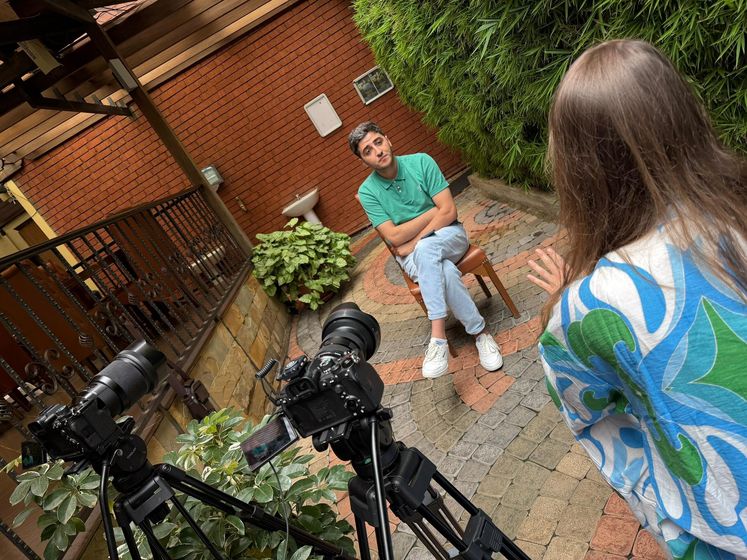
A strong nonprofit video fundraising strategy can increase donations by up to 150% compared to text-based campaigns. Videos emotionally engage donors, simplify complex ideas, and drive higher retention and click-through rates. Here’s why video is essential for nonprofits:
- 57% of viewers donate after watching nonprofit videos.
- $1 spent on video generates $4.30 in donations.
- Short videos (under 2 minutes) retain 75% of viewers.
Even with limited budgets, tools like smartphones and free editing software make creating impactful videos accessible. Focus on emotional storytelling, clear CTAs, and platform-specific formats (e.g., vertical for Instagram, square for Facebook). Start small with formats like:
- Impact Stories (90 sec): Beneficiary testimonials for social media.
- Donation Appeals (30-60 sec): Quick CTAs for emails and posts.
- Mission Explainers (2-3 min): Brand stories for websites.
Use the Problem > Intervention > Transformation framework to tell compelling stories, balancing 80% emotion and 20% data. For example, charity: water raised $2.4M in 30 days using heartfelt video campaigns.
Want results? Start with short, authentic videos tailored to your audience. Donors connect with stories, not just stats. Let them see the difference their contributions make.
Essential Video Marketing Strategies for Nonprofits
Video Storytelling That Drives Donations
Happy Productions produces impactful fundraising videos that inspire viewers to donate. We combine powerful storytelling with a clear call-to-action to motivate more support for your mission
Boost Your Fundraising – Free Consultation →Why a Nonprofit Video Fundraising Strategy Works
Video has become a powerful tool in nonprofit fundraising, reshaping how organizations connect with donors and inspire support. For every $1 spent on video content, nonprofits generate $4.30 [4], nearly three times the return of traditional direct mail campaigns.
Video Performance Data
The impact of video on donor engagement is clear:
| Metric | Result |
|---|---|
| Donor Retention | 34% higher with video storytelling [10] |
| Video Completion | 75% for emotional stories under 2 minutes [7] |
| Social Media Impact | 3x more shares than text/image posts [7] |
These numbers explain why organizations like charity: water rely on video storytelling. Their "Spring" campaign, which highlighted life-changing water projects, raised an impressive $2.4 million in just 30 days [9]. This is a prime example of how video strategies can scale effectively.
How Donors Respond to Video
Science backs up video's success: storytelling through video doubles oxytocin levels compared to text-based communications [10]. This heightened emotional connection encourages donors to take action.
For instance, The Adventure Project used beneficiary-led storytelling to boost recurring donors by 25% [5]. Their approach focused on personal, relatable stories that deeply resonated with viewers.
Video ROI for Nonprofits
Nonprofits can achieve strong ROI without overspending. Key performance indicators include:
- Viewer retention: Keep at least 70% of viewers engaged for the first 30 seconds [1].
- Click-through rates: Target 15-20% on donation links [9].
- Social engagement: Aim for 50% or higher in likes and shares [7].
While professional-quality videos can boost credibility by 60% [5], organizations don’t need blockbuster budgets. The L-CMD Research Foundation, for example, uses a mix of patient stories and data (70% emotional content, 30% statistics) to connect with their audience effectively [8].
To get the best results, avoid these common mistakes:
- Skipping donation CTAs in the first 45 seconds, which can reduce conversions by 35% [9].
- Producing videos longer than 2 minutes without a compelling narrative, as this leads to a 53% drop-off rate [7].
These insights set the foundation for exploring the best video formats, which we’ll cover next.
Types of Nonprofit Videos
Video content can significantly boost donor engagement when tailored for specific goals. Research shows that nonprofits using purpose-driven video formats experience a 34% increase in donor retention compared to those relying on generic content [10].
Video Formats Guide
Different types of videos serve unique purposes in fundraising. Here’s a breakdown of how nonprofits effectively use each format:
| Video Type | Length | Platform | Purpose | Focus |
|---|---|---|---|---|
| Mission Explainers | 2-3 min | Website | Brand Story | Problem-Solution-Impact |
| Impact Stories | 90 sec | Social | Engagement | Beneficiary Testimonials |
| Donation Appeals | 30-60 sec | Email/Social | Fundraising | Clear Call-to-Action (CTA) |
| Org Updates | 15-30 sec | Social | Retention | Behind-the-scenes insights |
A great example is First Descents, an adventure therapy nonprofit. They use a structured approach in their program overview videos, following a "20% challenge, 50% solution, 30% action" formula [1]. By optimizing their videos for specific platforms, they successfully increased monthly donations.
Here’s how they tailor their videos to meet platform requirements:
- Facebook: Square ratio (1080x1080 px) with captions for accessibility.
- Instagram: Vertical format (9:16) under 30MB for Stories and Reels.
- YouTube: Minimum HD quality (1280x720) with chapter markers for better navigation.
- Email: MP4 files under 5MB for quick loading and smooth playback.
Video Production Steps
Producing nonprofit videos that resonate requires a clear and efficient process. The Junkyard Social Club, for instance, completes their video production in just two weeks using the following workflow [9]:
1. Planning and Storyboarding
Define objectives and create storyboards. Develop narratives that balance emotional appeal with factual information.
2. Content Development
Focus on storytelling that connects emotionally while staying accurate. The Cycles of Change testimonial series is a prime example, using transformation arcs to highlight meaningful impact [9].
3. Filming with Engagement in Mind
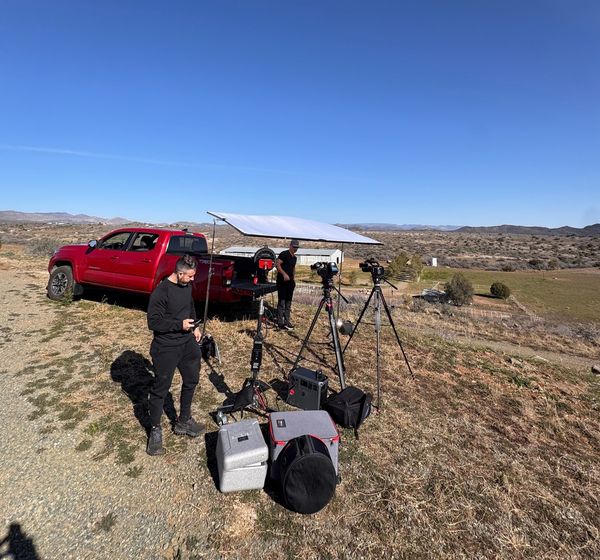
Choose equipment based on your budget:
- Low-cost: Smartphone with a lapel mic for clear audio.
- Mid-range: DSLR camera paired with a basic lighting kit.
- High-end: Mirrorless camera with a gimbal for smooth, professional shots.
4. Post-production
Add captions, incorporate brand colors, and include clear CTAs. Tools like DaVinci Resolve offer professional-grade editing features for free, making them ideal for nonprofits [9].
5. Distribution Strategy
Post videos during peak engagement hours and monitor performance metrics. Experiment with A/B testing for thumbnails, which can boost click-through rates by 22% [3][9].
Storytelling for Donors
Once you've decided on your formats, the next step is to craft stories that inspire action.
Story Structure
A simple yet effective framework for storytelling is The Problem > Intervention > Transformation. This approach has been linked to a 34% boost in donor retention rates for video campaigns [10].
| Story Phase | Focus | Duration | Essentials |
|---|---|---|---|
| Problem | Highlight the challenge | 30-45 sec | Real-life scenarios, emotional appeal |
| Intervention | Show the solution | 45-60 sec | Program details, volunteer efforts |
| Transformation | Share the results | 30-45 sec | Beneficiary impact, donor acknowledgment |
A great example is charity: water's "The Spring" campaign, which followed this structure to achieve a 37% increase in monthly donors and over $5 million in additional annual recurring revenue in 2022 [11].
"Focusing on authentic water crisis survivor stories drove our 37% donor increase."
Natural Storytelling
To capture stories that feel genuine, preparation and the right setting are key. Here's how to make it happen:
- Film during real program activities to showcase authentic moments.
- Ask open-ended questions that encourage detailed, heartfelt responses.
- Record background footage of everyday activities to add context.
- Conduct interviews in spaces where participants feel at ease.
Numbers in Stories
Balancing emotion and data is crucial. Drawing from L-CMD's success with a 70% emotion and 30% statistics mix, you can aim for a similar 80/20 balance. Here’s how to integrate numbers effectively:
- Add statistics during emotional high points using dynamic lower-thirds.
- Keep metrics simple - stick to three key numbers per minute.
- Use visual tools like progress bars to make data engaging.
- Always connect stats to human outcomes for greater impact.
For example, a literacy nonprofit saw donations rise by 53% when they animated student progress bars alongside testimonials from learners [9]. These visuals help donors grasp the scale of the impact while staying emotionally engaged.
sbb-itb-f88b8f6
Social Media Video Guide
Storytelling is at the heart of nonprofit videos, but tailoring them for different platforms ensures they connect with the right audience.
Platform Requirements
Every social media platform has its own preferred video format, length, and features. Here's a quick breakdown:
| Story Phase | Focus | Duration | Essentials |
|---|---|---|---|
| Problem | Highlight the challenge | 30-45 sec | Real-life scenarios, emotional appeal |
| Intervention | Show the solution | 45-60 sec | Program details, volunteer efforts |
| Transformation | Share the results | 30-45 sec | Beneficiary impact, donor acknowledgment |
For nonprofits on a budget, tools like Canva and CapCut make it easy to create professional-looking, platform-ready videos without expensive gear.
Hashtag Strategy
Hashtags can greatly expand the reach of your videos. Here are some tips to get the most out of them:
- Stick to 3-5 relevant hashtags per post.
- Combine campaign-specific tags with broader, cause-related terms.
- Stay on top of trending topics in your niche.
A great example is the Ocean Conservancy's #TrashTag Challenge, which inspired over 500,000 user-generated videos by pairing hashtags strategically [7].
Nonprofit Success Stories
These platform-focused strategies work hand-in-hand with storytelling to deliver real results:
- St. Jude Children's Hospital: Their TikTok series on patient journeys brought in $2M in just three months, with a 57% viewer-to-donor conversion rate [4].
- The Movember Foundation: The #MovemberSelfie campaign encouraged users to create over 150,000 videos, raising $4.8M through shareable templates [9].
- The Nature Conservancy: By repurposing content into platform-specific formats, they boosted webinar registrations by 70%. Their approach included:
- Short, 15-second clips for TikTok
- Quote-based graphics for Instagram
- Chapterized recordings on YouTube, opening up new donor opportunities [9].
Donor Impact Videos
Impact-driven videos take storytelling to the next level by turning emotional connections into stronger donor relationships. Using strategic updates, these videos have been shown to improve donor retention by 34% when built on structured storytelling techniques [10].
Donor Update Videos
The best donor updates combine emotional storytelling with clear, measurable outcomes. To keep viewers engaged, include:
- Stories from beneficiaries (covering 80% of the video)
- Transparent financial details
- Key program milestones
- Insights from staff members
- Clear next steps for donors
Visual Elements Guide
To maintain the 80/20 balance of emotion and data, use these visual guidelines:
| Content Type | Time Allocation | Best Practices |
|---|---|---|
| Story Footage | 80% | Focus on beneficiaries, before/after sequences |
| Data Visualization | 20% | Use quick animated overlays (3-5 seconds) |
| Call-to-Action | Final 15 seconds | Highlight giving levels with impact statements |
When showcasing data, add context to make it relatable. For example, instead of saying "1,000 books donated", explain it as "Enough books for every 3rd grader in Springfield" [6]. This makes the impact more meaningful for donors.
Case Study: Happy Productions' Impact

Happy Productions, led by founder Atdhe Trepca, excels at retaining donors through thoughtful video storytelling. Their method focuses on three main elements:
- Personalized Impact Stories They tailor video content based on donor tiers:
- Major donors receive custom 2-3 minute films.
- Mid-level supporters get 90-second updates focused on specific programs.
- General donors see 45-second highlights designed for social media.
- Data Visualization Strategy By blending Canva Pro animations with DaVinci Resolve's color grading tools, they produce polished, professional impact reports.
- Emotional Arc Structure Their videos follow a proven narrative format [10]:
- Start with a clear problem statement.
- Highlight potential solutions.
- Show the challenges faced during implementation.
- End with success stories made possible by donor support.
This method significantly boosts engagement, achieving a 62% increase in viewer retention compared to traditional reporting styles [10].
Video Production Resources
A whopping 78% of successful nonprofit videos rely on smartphone footage [4][7]. This shows that focusing on donor-centered storytelling often matters more than splurging on expensive equipment. The goal? Let donors see the impact of their contributions, which is a major factor in driving engagement and conversions.
Equipment and Software Options
Stick to tools that balance great visuals with your budget:
| Equipment Type | Basic | Mid-Range | High-End |
|---|---|---|---|
| Camera | Smartphone ($0) | DJI Osmo Mobile 6 ($159) | Mirrorless Camera ($1,500) |
| Audio | Lapel Mic ($50) | Rode Wireless GO II ($299) | Multiple Wireless Mics ($800+) |
| Lighting | Ring Light ($100) | 2-Point LED Kit ($300) | Studio Lighting ($1,000+) |
| Software | DaVinci Resolve (Free) | Adobe Premiere Rush ($22.99/mo) | Adobe Creative Suite ($54.99/mo) |
Affordable tools like DaVinci Resolve offer powerful editing capabilities for free, while Canva’s nonprofit plan gives access to ready-made templates and stock footage [5]. These options make professional-quality editing accessible without breaking the bank.
For most campaigns, these tools are more than enough. However, certain projects may require professional expertise.
Professional Video Services
Sometimes, hiring professionals is the smarter choice - especially for campaigns where production quality directly affects donor trust. For example, professionally produced videos have been shown to generate 57% more donations than DIY ones [7][4]. Here’s when you might want to call in the pros:
- High-Stakes Productions
Big moments like annual reports or major campaign launches often justify professional help. For instance, a professionally made video costing $8,000 might bring in 120 donations at an average of $67 per gift. Compare that to a $1,000 DIY video, which might only generate 40 donations [9].
- Creative Partnerships
Some nonprofits cut costs by teaming up with local film schools or freelance creators. L-CMD Research Foundation, for example, collaborates with film students for pro-bono production while using detailed creative briefs to maintain quality [9].
"Professional video services become critical for campaign launch videos, annual reports requiring high production value, and complex storytelling needing cinematic techniques", states industry research [2][8].
If you’re ready to invest, look for video providers who specialize in nonprofit storytelling. Key traits to look for include:
- Familiarity with impact measurement
- Expertise in platform-specific formats
- Ability to provide performance analytics
- Proven experience working with nonprofits
Conclusion
We’ve covered production resources and impact strategies - now it’s time to focus on consistent action. Video has become a powerful tool for nonprofit fundraising, directly influencing donor behavior and increasing engagement.
Here are three steps you can take right away:
- Use your smartphone to share updates that show tangible outcomes.
- Create short videos (under 60 seconds) tailored for social media platforms.
- Include urgent calls-to-action tied to specific fundraising goals.
The numbers don’t lie: nonprofits that tailor their video strategies for specific platforms see a 40% increase in engagement when content is optimized effectively [1][7].
You don’t need high-end gear or complicated productions to tell a compelling story. By using the Problem-Intervention-Transform framework from Chapter 3, you can craft visual stories that highlight real change.
Take a cue from Happy Productions’ case study. Their tiered approach combines an 80/20 balance of emotion and data to show supporters the impact of their contributions. Their templates focus on preserving dignity while sharing transformational stories that resonate.
The Video Fundraising Funnel: How Great Videos Convert Viewers to Donors
Most nonprofit videos are made without a clear funnel in mind. They're produced because someone said "we need a video," and they end up as homepage background loops that nobody watches. A strategic video fundraising approach treats each video as a step in a deliberate conversion sequence.
The video fundraising funnel has three stages. At the top, awareness videos (60–90 seconds) introduce your mission to people who've never heard of you. These live on social platforms, YouTube, and paid advertising. Their only job is to generate enough emotional interest that a viewer wants to know more. They should never include a donation ask—just a clear, compelling statement of what you do and who you serve.
At the mid-funnel, impact videos (2–4 minutes) show your work in action through specific, named beneficiaries. These are the emotional engine of your fundraising strategy. They answer the critical donor question: "Does this organization actually change anything?" Mid-funnel videos live in email sequences, on landing pages, and in direct outreach to warm leads. They end with a soft CTA: learn more, read their full story, or see your annual report.
At the bottom of the funnel, conversion videos (30–60 seconds) accompany a direct donation ask. These are urgent, specific, and outcome-focused. "Your gift of $50 today will provide school supplies for one child this semester" is the structure: amount + timeframe + concrete outcome. Conversion videos work best in email campaigns during active fundraising pushes, on donation landing pages, and in year-end campaigns.
Measuring Video Fundraising ROI
Many nonprofits avoid measuring video ROI because they're unsure how to attribute donations to specific pieces of content. But with a few tracking fundamentals in place, you can measure which videos drive real fundraising outcomes.
The most practical approach: use UTM parameters on every link that leads from a video to a donation page. If your impact video is embedded in an email, the "Donate Now" link should include a UTM source (email), medium (video_embed), and campaign (spring_2026). This gives you direct donation attribution data in Google Analytics for every video-driven campaign.
Beyond direct attribution, track three leading indicators: average watch time (tells you if the video holds attention), click-through rate from video to donation page (tells you if the CTA works), and email open rates on campaigns featuring video vs. non-video (tells you the headline/thumbnail impact). A video that loses 50% of viewers in the first 15 seconds needs a stronger opening—not a larger production budget.
A reasonable ROI benchmark for a professionally produced impact story ($4,000–$6,000): if the video is used in 4–6 email campaigns over 18 months, it should drive at least $20,000–$40,000 in attributed donations to justify the production cost. Most well-produced nonprofit videos exceed this benchmark when properly deployed across multiple channels.
Frequently Asked Questions
How long should a nonprofit fundraising video be?
Awareness videos: 60–90 seconds. Impact stories: 2–4 minutes. Thank-you videos: 30–60 seconds. Conversion/appeal videos: 30–90 seconds. The rule is simple: as long as it takes to tell the story, and no longer. A 2-minute video that holds attention is always better than a 90-second video that loses the viewer at 45 seconds.
When should we film new fundraising videos?
The best cadence for most nonprofits is one hero video per quarter—filmed during program activities—plus 2–4 shorter social clips cut from that footage. Plan filming around your program calendar: schedule your production company when beneficiaries and staff will be most available and your programs most visually active. Avoid filming during your busiest fundraising periods (November-December); produce content 6–8 weeks before you need it.
Should we use professional actors or real beneficiaries?
Always use real beneficiaries and real staff when possible. Authenticity is the single biggest driver of donor trust in nonprofit video. Donors are sophisticated enough to spot inauthenticity, and staged or scripted testimonials consistently underperform genuine stories in A/B testing. The practical exception: if showing real beneficiaries poses privacy or safety risks (domestic violence shelters, refugee services, etc.), use actors with explicit disclosure in your video description.
How do we get our fundraising video seen by more people?
Distribution is as important as production. A great video with no distribution strategy will underperform a good video that's properly promoted. For each new video: embed it in your email newsletter (to your warm audience), post it organically to Instagram and LinkedIn (vertical format for Instagram), upload to YouTube with a keyword-optimized title and description, share with your board and ask them to share with their networks, and if budget allows, boost it on Meta with a targeted audience of your lookalike donors. This five-channel launch should happen within 48 hours of the video being finalized.
Not sure where to start?
Book a free strategy call. We'll workshop a video concept for your nonprofit — no charge, no pitch deck.
Book my free callReady to put your story on screen?
Tell us what you're working on. In 15 minutes we'll sketch the video with you — what to film, who to put on camera, and where it should run.